Do you have questions about formulating vape oil for cannabis and CBD products? The articles below provide a comprehensive summary of vape formulation basics to advanced topics of remediation of vape mixtures such as predicting and resolving potential oxidation and coloration issues.
This guide offers an overview of the requirements for creating basic distillate vape formulations and covers the many factors that influence the vaping experience.It's important to note that vape recipes can vary depending on the ratios of distillate and specific flavor combinations being used to make great-tasting products.
For vape formulations, learn about the main types of terpenes and how they affect distinct flavors and how to read and interpret data shown on a Certificate of Analysis (COA). COAs are a vital tool for determining terpene percentages and flavor profiles, ensuring consistency and quality in cannabis products.
Formulating live resin vape mixtures involves adjusting the live resin terpene percentage by adding distillate to achieve a consistent and desirable product, with a focus on maintaining flavor while improving profitability. Proper cultivation, immediate freezing, and careful extraction and storage practices are crucial for retaining terpenes and producing high-quality live resin, with specific strategies to balance terpene levels based on strain characteristics.
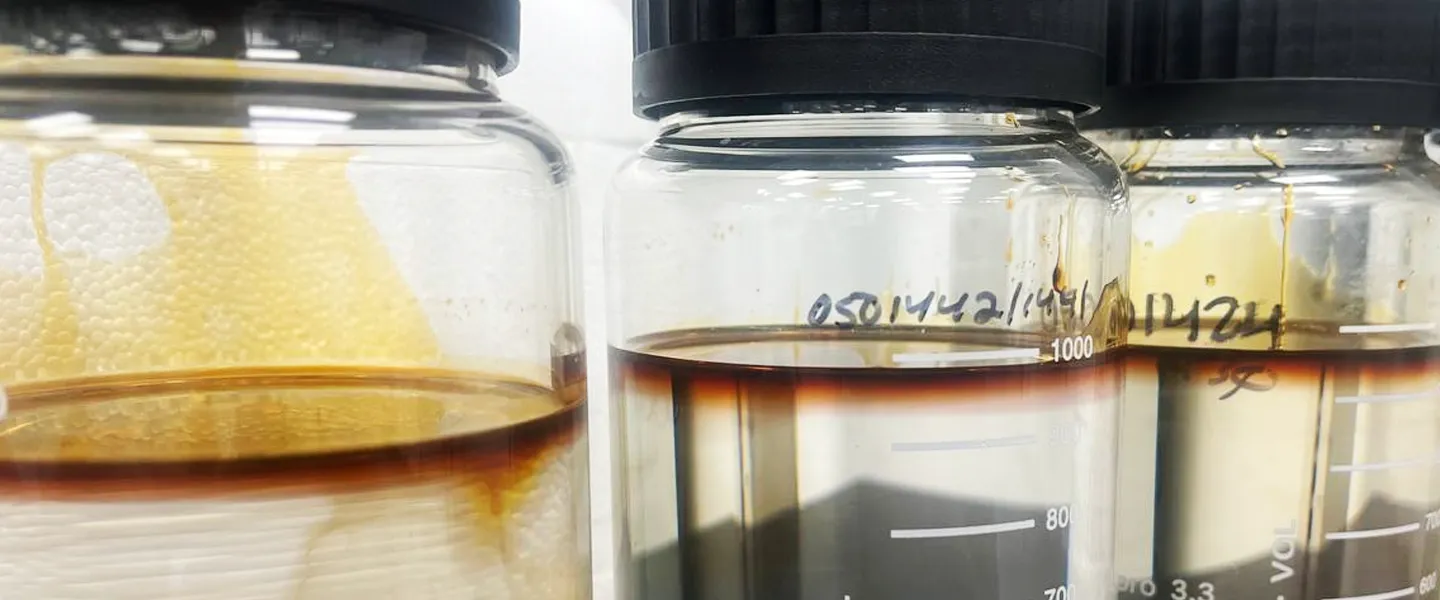
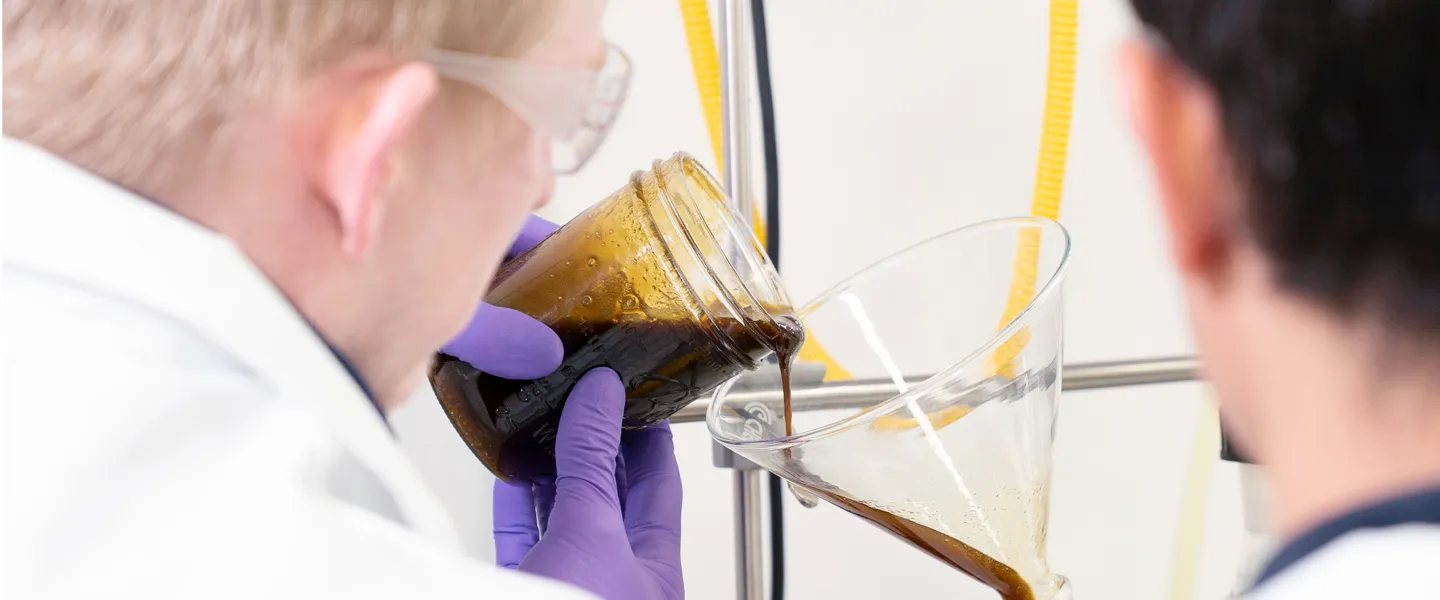
Distillate discoloration, primarily caused by oxidation during extraction, mixing, and storage, can be addressed by returning the product for remediation, over-oxidizing and flavoring, or self-remediating using specific equipment and procedures. Preventive measures include using proper storage and warming equipment, filling at low temperatures, and backfilling containers with inert gases to maintain the quality and appearance of the distillate.
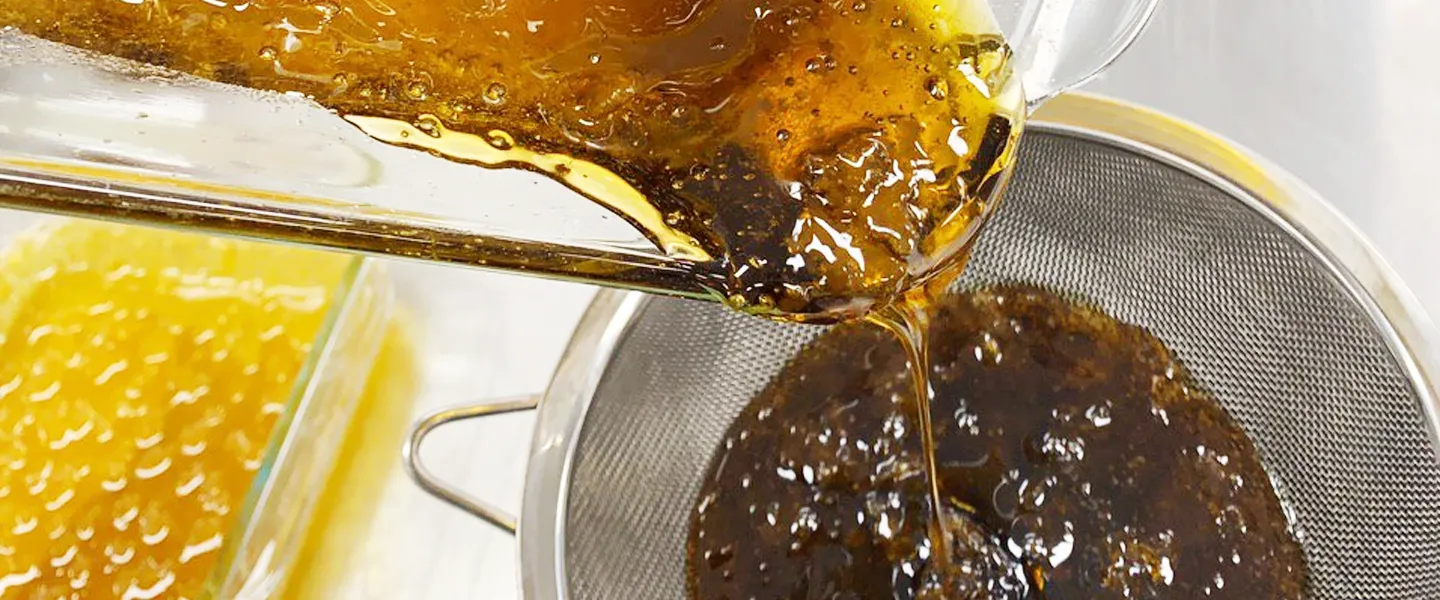
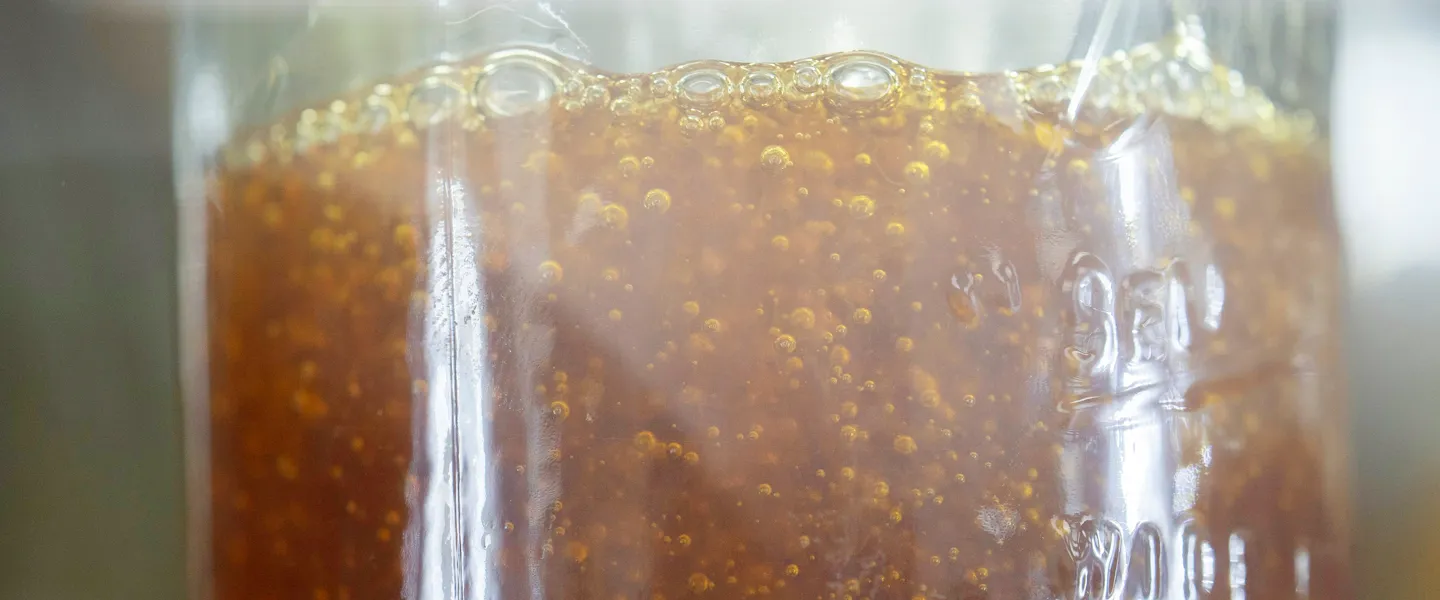
Champagning in live resin and rosin occurs when light aromatic hydrocarbons trapped in the resin matrix are released due to heat or agitation, causing bubbles to form. This can be mitigated by degassing methods such as using a vacuum oven, centrifuge, or controlled heat and agitation processes.
Dilutants, such as MCT oil, propylene glycol, vegetable glycerin, and neutral cannabis-derived terpenes, are used to reduce the concentration of cannabis resin in vape products, though their use can be controversial and some are banned in certain states.